
In the polished, futuristic world of blockchain technology, where every project usually promises to "change the world" or "revolutionize finance," something strange happened in 2022. It wasn't high-tech, it wasn't beautiful, and it certainly wasn't polite. It was Goblintown.
For the vibrant and rapidly growing cryptocurrency community in Vietnam—from the bustling tech hubs of Ho Chi Minh City to the digital nomad cafes in Da Nang—the rise of the Goblintown Wook NFT Meme serves as a fascinating case study. It challenges conventional wisdom about what makes a digital asset valuable. It proves that sometimes, in a market saturated with promises of utility and roadmaps, people just want to embrace the chaos.
This comprehensive guide will explore the phenomenon of the Goblintown Wook, dissecting its origins, its cultural impact, and the crucial lessons it holds for Vietnamese investors navigating the volatile waters of the crypto market. Whether you are a "newbie" buying your first fraction of Ethereum or a "whale" looking for the next trend, understanding the psychology behind Goblintown is essential.
What is Goblintown? Understanding the Chaos
To understand the specific "Wook" meme, we must first understand the ecosystem it inhabits. Goblintown.wtf launched as a free-to-mint NFT collection on the Ethereum blockchain during a particularly brutal market downturn (a "bear market").
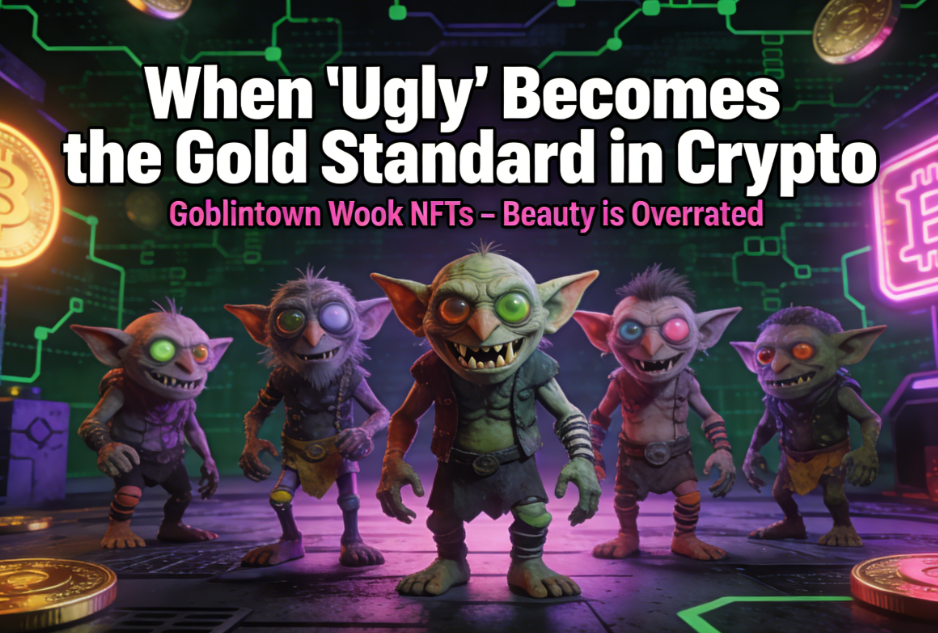
Unlike "Blue Chip" projects like Bored Ape Yacht Club or Azuki, which boasted extensive roadmaps, utility tokens, and exclusive events, Goblintown offered... nothing. Their website explicitly stated: "No roadmap. No Discord. No utility." The art was intentionally grotesque—crude drawings of goblins with snot, drool, and bizarre deformities.
The "Wook" Phenomenon
Within this collection of misfits, specific traits and characters emerged as community favorites. The term "Wook" in internet and festival culture often refers to a specific stereotype: someone perhaps a bit unkempt, obsessed with music festivals, and living a chaotic lifestyle. In the context of the Goblintown meme, the "Wook" represents the raw, unfiltered, and unapologetically "degenerate" spirit of crypto traders who have seen their portfolios crash but are still here for the memes.
The "Wook" isn't just a specific image; it's a vibe. It captures the feeling of staring at charts at 3 AM, fueled by instant noodles and hope. For many Vietnamese traders who have weathered the storms of market volatility, this character resonates on a spiritual level.
Why Did "Ugly" Go Viral?
The success of Goblintown and the Wook meme seems counterintuitive. Why would people spend thousands of dollars (in ETH) on art that looks like it was drawn by a toddler?
1. Counter-Culture Rebellion
By 2022, the NFT space had become saturated with projects promising the moon. Many of these turned out to be "rug pulls" (scams) or failed to deliver. Goblintown was a rebellion against the toxic positivity of the market. By promising nothing, they couldn't disappoint anyone. It was honest in its absurdity.
2. The Power of "Attention Economy"
In the crypto world, attention is the most valuable currency. Goblintown grabbed attention through bizarre marketing tactics. Their Twitter Spaces didn't feature serious financial discussions; instead, they featured grown adults making goblin noises ("Goblinspeak") for hours. This absurdity went viral. It was so strange that you couldn't look away.
3. Community Bonding Through Shared Pain
The collection launched when the market was crashing. Everyone was losing money. Goblintown provided a way to laugh at the pain. "Going to Goblin Town" is crypto slang for the market crashing. By embracing the literal Goblin Town, investors were reclaiming the narrative. It became a badge of honor to say, "Yes, the market is down, but we are goblins, and we don't care."
The Vietnamese Perspective: Why This Matters to You
Vietnam consistently ranks in the top tier of global crypto adoption indices. The Vietnamese market is sophisticated, with a high number of GameFi players, DeFi users, and NFT collectors. However, the market here is also prone to following hype cycles (FOMO).
1. The Trap of "High Polish" Projects
Vietnamese investors often gravitate towards projects with sleek websites and big promises. Goblintown teaches us a valuable lesson: Presentation is not everything. Many polished projects fail, while a project with crude art can succeed based on community strength and cultural relevance.
2. Understanding Market Sentiment
The Wook meme is a perfect indicator of market sentiment. When "serious" projects are failing and meme projects are soaring, it signals a specific phase in the market cycle—usually a phase of capitulation or boredom. Recognizing these signs can help Vietnamese investors adjust their strategies.
3. The Role of Meme Culture
Meme culture is huge in Vietnam. From Facebook groups to TikTok trends, Vietnamese youth communicate through memes. Understanding how a meme like the Wook propagates can help you spot the next viral trend before it explodes.
Analyzing the "Wook" Traits: Rarity and Value
In the NFT world, not all Goblins are created equal. The "Wook" aesthetic is defined by specific traits within the collection.
- The "Crusty" Look: Traits that imply a lack of hygiene or a rugged lifestyle.
- Accessories: Items that reference crypto culture or festival culture.
- The Vibe: An intangible quality of looking completely unbothered by the chaos around them.
For a collector, identifying these specific combinations is key. Just as you might look for specific patterns in technical analysis, looking for cultural markers in NFTs is a skill. When trading these assets, you need a platform that is reliable and secure. HIBT provides the robust infrastructure needed to move assets efficiently, ensuring that when you decide to take profit on a viral trend, your execution is seamless.
The Risks: Don't Get Wrecked
While the Goblintown story is entertaining, it carries significant risks, especially for newcomers in the Vietnamese market.
1. Volatility is Extreme
Meme projects rise fast and fall even faster. The price of Goblintown NFTs saw massive spikes followed by corrections. Buying the top of a meme hype cycle is the quickest way to lose your capital.
2. Lack of Fundamental Value
Unlike a utility token that might power a blockchain network, a meme NFT's value is purely social. If the community gets bored and moves on, the value can drop to zero. There is no "floor" based on revenue or technology.
3. Scams and Copycats
Success breeds imitation. After Goblintown, hundreds of "ugly" copycat projects launched. Most of them were scams. Vietnamese investors need to be extremely vigilant. Always verify the contract address and never click on suspicious links in Discord or Twitter.
Security is paramount. Before you jump into high-risk assets like meme NFTs, ensure your foundational assets are secure. Using a trusted exchange platform like HIBT for your primary trading activities ensures that your main portfolio remains safe while you allocate a small "degen" portion of your funds to high-risk plays.
From Goblintown to Global Brands?
Can a meme become a legitimate business? The team behind Goblintown (Truth Labs) has attempted to pivot the brand into merchandise, gaming, and storytelling.
This transition is difficult. The "Wook" energy is anti-establishment. Becoming a corporate brand risks alienating the very core audience that made it popular. However, if successful, it proves that IP (Intellectual Property) in Web3 can originate from anywhere—even the gutter.
For the Vietnamese creative industry, this is an inspiring model. It suggests that you don't need a massive budget to launch a global IP; you need creativity, cultural resonance, and the ability to build a community.
How to Spot the Next "Wook"
If you missed the Goblintown boat, how do you find the next one?
1. Monitor Social Sentiment
Don't just look at charts. Look at what people are laughing at. Look at Twitter (X), Telegram, and Discord. The next big thing often starts as a joke.
2. Look for "Counter-Trading" Opportunities
If everyone is launching 3D metaverse projects, look for 2D pixel art. If everyone is polite, look for the rude project. Markets reward differentiation.
3. Check the "Vibe"
Does the community feel forced, or are they genuinely having fun? The Goblintown Spaces were legendary because people were genuinely laughing. You cannot fake that energy.
Practical Steps for Vietnamese Investors
If you want to dip your toes into the world of NFT memes:
- Start Small: Only invest what you can afford to lose. Treat it like buying a ticket to a movie, not an investment in a house.
- Use Burner Wallets: Never mint a new project with your main vault wallet. Use a secondary wallet with limited funds.
- Secure Your Gains: If you get lucky and your meme NFT doubles in price, sell half. Keep the rest "moon bag" risk-free.
- Leverage Reliable Platforms: You need to convert your VND to ETH or SOL to participate. HIBT offers a user-friendly gateway for Vietnamese users to enter the crypto ecosystem securely, providing a solid launching pad for your NFT explorations.
The Cultural Mirror
Ultimately, the Goblintown Wook is a mirror held up to the crypto industry. It reflects our greed, our absurdity, and our resilience. It reminds us not to take ourselves too seriously.
In Vietnam, where the pressure to succeed and financial aspirations are high, this reminder is valuable. It is okay to laugh at the market. It is okay to embrace the chaos. But it is crucial to stay smart, stay safe, and never bet the farm on a goblin.
As the crypto landscape continues to evolve in 2026 and beyond, we will likely see more phenomena like this. The "ugly" trend may fade, but the human desire for connection, humor, and rebellion will remain.
About the Author
Dr. Aris Vanhouten
Dr. Vanhouten is a distinguished blockchain researcher and cryptoeconomic auditor. He holds a Ph.D. in Distributed Ledger Technology from the University of Zurich and has published over 40 peer-reviewed papers on NFT market liquidity and cross-chain interoperability protocols. A veteran of the industry, Dr. Vanhouten has led technical audits for three Top-20 DeFi protocols and serves as an advisor to several privacy-focused Layer 1 blockchains. His work focuses on the intersection of game theory and digital asset valuation.