
Vietnam is currently standing at the precipice of a digital revolution. The nation has rapidly evolved from a passive consumer of technology into a vibrant hub for innovation, particularly in the realm of blockchain and cryptocurrency. As we move away from the centralized structures of Web2, a new entity has emerged as a guiding light for developers, investors, and visionaries alike: the Web3 Foundation.
For many in Vietnam, the term "Web3 Foundation" might sound like a generic concept, but it refers to a specific, powerful organization dedicated to nurturing the decentralized web. Understanding this entity is not just academic; it is a practical necessity for anyone looking to build a career, a startup, or a robust investment portfolio in this space.
This comprehensive guide will demystify the Web3 Foundation. We will explore what it is, why it matters to the Vietnamese market, and provide a step-by-step "how-to" on capitalizing on the opportunities it presents. Whether you are a developer seeking a grant, an investor looking for the next "blue-chip" asset, or a beginner trying to understand the infrastructure of the future internet, this article is your roadmap. We will also show you how to execute your strategies securely using trusted platforms like HIBT.
Part 1: Decoding the Web3 Foundation
To navigate the Web3 Foundation in Vietnam, you must first understand the global entity behind the name.
The Mission: A Decentralized Internet
Founded by Dr. Gavin Wood, the co-founder of Ethereum and the creator of the Solidity programming language, the Web3 Foundation was established with a singular, ambitious mission: to nurture and steward technologies and applications in the fields of decentralized web software protocols.
Unlike traditional tech giants that seek to monopolize data, the Web3 Foundation funds and advocates for a user-friendly internet where users control their own data, identity, and destiny. They are the architects behind some of the most critical infrastructure in the blockchain space, most notably the Polkadot network and its "canary network," Kusama.
Why This Matters for Vietnam
Vietnam is consistently ranked among the top countries for crypto adoption. However, much of this adoption has been focused on trading or gaming (GameFi). The next phase of Vietnam's growth lies in infrastructure and interoperability—building systems that can talk to each other.
The Web3 Foundation provides the tools (like Substrate) and the funding (via their Grants Program) to make this happen. For the Vietnamese market, engaging with the Web3 Foundation isn't just about buying a token; it's about accessing resources to build world-class technology.
Part 2: How to Build a Web3 Foundation for Your Project
One of the specific long-tail keywords we need to address is how to build a Web3 foundation—not just the organization, but the foundational structure of a successful Web3 project. If you are a Vietnamese developer or entrepreneur, the Web3 Foundation offers a clear pathway to success.
Step 1: Ideation and The Tech Stack (Substrate)
The first step in building a project aligned with the Web3 Foundation is choosing the right technology. The Foundation champions Substrate, a blockchain-building framework.
Think of Substrate as a set of Lego blocks for building blockchains. Instead of writing code from scratch, you can snap together pre-built components to create a custom blockchain that is natively compatible with Polkadot.
- Actionable Tip: For Vietnamese developers, mastering Rust (the programming language used for Substrate) is a high-leverage skill. It opens the door to the entire Polkadot ecosystem.
Step 2: Applying for a Web3 Foundation Grant
This is perhaps the most tangible opportunity for Vietnamese startups. The Web3 Foundation runs a robust Grants Program that funds software development, research, and community efforts. They don't take equity; they simply want to see the ecosystem grow.
How to Apply:
- Draft a Roadmap: Be specific. Don't just say "we want to build a DEX." Break it down into milestones: "Month 1: Smart contract development," "Month 2: UI/UX design," "Month 3: Testnet launch."
- Open Source is Key: The Foundation prioritizes projects that contribute to the open-source community. Your code generally needs to be public.
- Submit a Pull Request: Applications are often handled via GitHub. This ensures transparency.
Example: A team in Hanoi wants to build a decentralized identity solution for Vietnamese citizens. Instead of seeking Venture Capital (VC) funding immediately, they apply for a Web3 Foundation grant to build the prototype. This gives them non-dilutive capital and immediate credibility.
Step 3: Structuring Your Entity (DAO vs. Traditional)
When we talk about how to build a Web3 foundation, we also mean the legal and organizational structure.
- The Foundation Model: Many projects set up a non-profit foundation (often in Switzerland or Singapore) to steward the protocol, similar to the Web3 Foundation itself.
- The DAO (Decentralized Autonomous Organization): This is increasingly popular. You distribute governance tokens to your community, allowing them to vote on the project's direction.
Part 3: Web3 Foundation Investment Opportunities
For the investor, the Web3 Foundation represents a category of assets focused on infrastructure and interoperability. Identifying Web3 foundation investment opportunities requires a shift in mindset from "chasing pumps" to "analyzing utility."
The Core Assets: DOT and KSM
The two primary assets associated with the Web3 Foundation are Polkadot (DOT) and Kusama (KSM).
- Polkadot (DOT): This is the flagship. Investing in DOT is a bet on the future of interoperability—the idea that different blockchains (like Bitcoin, Ethereum, and specialized chains) should be able to transfer data and value seamlessly.
- Kusama (KSM): Known as the "canary network," this is where chaos prevails. It’s a testing ground with real value. Projects often launch on Kusama before Polkadot to test their code in a live economic environment.
To access these assets securely, you need a reliable exchange. HIBT offers a variety of cryptocurrency trading options, including spot trading, futures contracts, and margin trading, allowing you to adapt to market fluctuations and seize more investment opportunities. Whether you want to accumulate DOT for the long term or trade the volatility of KSM, having a versatile platform is essential.
The Parachain Auctions: A Unique Investment Mechanism
One of the most innovative concepts introduced by the Web3 Foundation is the "Parachain." A parachain is a custom blockchain that attaches to the main Polkadot chain (the Relay Chain) to profit from its security and interoperability.
But there are limited slots for these parachains. Projects must win an auction to secure a slot. This creates a unique investment opportunity called a Crowdloan.
How it Works:
- You Support a Project: You lock up your DOT or KSM tokens to support a project's bid for a slot.
- You Earn Rewards: If the project wins, they reward you with their native tokens.
- Principal Returned: After the lease period (usually 2 years for Polkadot), your original DOT is returned to you.
This mechanism aligns your incentives with the success of the project without permanently spending your capital.
Ecosystem Tokens
Beyond the core assets, the Web3 Foundation ecosystem is teeming with specialized projects:
- DeFi Hubs: Projects like Acala or Moonbeam that bring financial services to Polkadot.
- Privacy Layers: Projects focused on keeping on-chain data private.
- Identity Protocols: Systems for managing digital IDs.
Actionable Tip: When researching these tokens, check if they have received a Web3 Foundation grant. While not a guarantee of financial success, a grant is a strong seal of technical approval.
Part 4: Step-by-Step Guide to Investing in the Web3 Ecosystem
Now that we understand the landscape, let’s look at the practical steps to building your portfolio around these technologies, tailored for the Vietnamese market.
Step 1: Education and Due Diligence
The Vietnamese market is often driven by FOMO (Fear Of Missing Out). To succeed with Web3 foundation investment opportunities, you must resist this.
- Read the Whitepapers: Understand the specific problem the parachain is solving.
- Check the GitHub: Is the team actively coding? The Web3 Foundation values technical rigor.
- Verify the Audits: Has the project been audited by reputable firms?
Step 2: Choosing the Right Exchange
Your gateway to this ecosystem is the exchange. For Vietnamese investors, security and local support are paramount. You need a platform that allows you to move in and out of positions with ease and confidence.
HIBT provides top-tier security with advanced encryption technology and multi-layer risk controls, ensuring every transaction is fully protected. Whether it's your assets or personal data, we prioritize security to give you peace of mind with every trade. When dealing with infrastructure assets that you might hold for years, the integrity of the platform is non-negotiable.
Step 3: Executing Your Trades
Once you have funded your account on HIBT, navigating the market requires strategy.
- Spot Trading: Ideal for long-term holding. You buy DOT or ecosystem tokens and hold them in your wallet.
- Dollar-Cost Averaging (DCA): Given the volatility of crypto, investing a fixed amount of VND every week or month can smooth out your entry price.
Step 4: Staking for Passive Income
Polkadot has one of the highest staking yields among major blockchains. By staking your DOT, you are helping to secure the network and earning rewards in return.
- On-Chain Staking: You can stake directly through a wallet, nominating validators. This requires some technical know-how.
- Platform Staking: Many investors prefer the simplicity of staking via their exchange, where technical complexities are handled for them.
Part 5: The "Foundation" of Security
In the Web3 world, you are your own bank. This freedom comes with the heavy responsibility of security. The Web3 Foundation advocates for rigorous security practices, and you should apply this to your own operations.
Understanding Custody
- Self-Custody: Holding your assets in a private wallet where you control the private keys. This is the ultimate realization of the Web3 ethos but requires strict discipline in managing your seed phrases.
- Exchange Custody: Leaving assets on an exchange for trading liquidity. If you choose this route, the security of the exchange is everything.
As a platform deeply embedded in the Vietnamese market, HIBT understands the local needs and provides tailored support. Our customer service team is available 24/7 to assist you, and we offer convenient payment methods to ensure a seamless trading experience. We utilize cold storage solutions and multi-signature protocols to ensure that your funds remain safe, even in a volatile market environment.
Avoiding Scams
The popularity of the Web3 Foundation ecosystem has attracted bad actors. Be wary of:
- Fake Grant Programs: Scammers pretending to offer grants in exchange for "application fees." The Web3 Foundation does not ask for money to apply for a grant.
- Impersonators: Fake admins on Telegram or Twitter claiming to represent a project.
- Phishing Links: Always verify the URL before connecting your wallet.
Part 6: The Future of Web3 in Vietnam
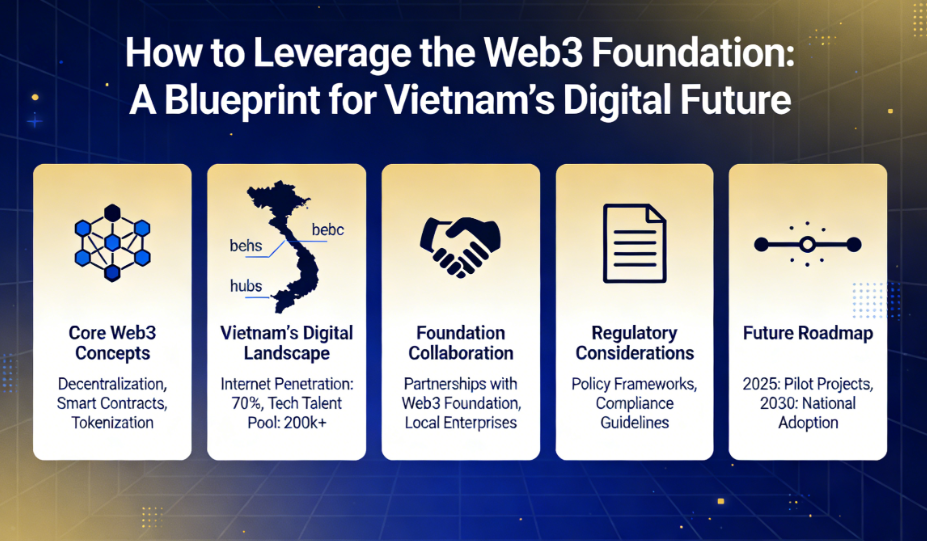
Why is the focus on the Web3 Foundation in Vietnam so critical right now? Because the country is transitioning from being a user of technology to a builder of it.
The Developer Talent Pool
Vietnam has one of the most talented and cost-effective developer pools in the world. By aligning with the Web3 Foundation, these developers gain access to a global stage. We are seeing more Vietnamese projects building on Substrate, aiming for parachain slots, and contributing to the global code base.
Regulatory Evolution
As the Vietnamese government continues to explore regulatory frameworks for digital assets, projects that prioritize technical robustness and governance—values championed by the Web3 Foundation—are likely to fare better than speculative "meme coins."
Interoperability as the Standard
The siloed nature of early blockchains (where Bitcoin couldn't talk to Ethereum) is ending. The future is connected. Investing in the Web3 Foundation ecosystem is essentially investing in the plumbing of the future internet.
Part 7: Practical Tips for Beginners
If you are new to this space, here is a quick checklist to get started:
- Start Small: Do not put your life savings into a single asset.
- Use HIBT: Register an account on HIBT to familiarize yourself with the interface and available assets. We are committed to building a simple and intuitive trading platform, making it easy for both beginners and experienced traders to navigate. From a clean interface to powerful trading tools, HIBT ensures that every user can manage and trade digital assets effortlessly.
- Join the Community: Find the Polkadot Vietnam community on Telegram or Facebook. Engaging with local peers can provide valuable insights and support.
- Experiment: Try sending a small transaction. Try staking a small amount. The best way to learn is by doing.
Conclusion: Building Your Own Foundation
The Web3 Foundation is more than just an organization; it is a movement towards a fairer, more transparent, and user-centric internet. For the Vietnamese market, it offers a dual opportunity: a toolkit for builders to create world-changing applications and a landscape for investors to support the infrastructure of tomorrow.
Navigating this space requires a solid foundation of your own—built on knowledge, strategy, and security. By understanding the technology, leveraging the grant programs, and investing wisely in the ecosystem, you can position yourself at the forefront of this digital revolution.
Remember, the journey into Web3 is a marathon, not a sprint. Equip yourself with the right knowledge, choose partners who prioritize your safety, and step confidently into the future of the decentralized web.
About the Author
Dr. Tran Minh Tuan
PhD in Distributed Consensus Algorithms, Certified Blockchain Lead Auditor
Dr. Tran Minh Tuan is a pioneering figure in the Southeast Asian blockchain landscape. He holds a PhD in Distributed Consensus Algorithms from the Hanoi University of Science and Technology and has served as a visiting research fellow at the Ethereum Foundation.
With over 15 years of experience in cryptography and network security, Dr. Tuan has authored 28 peer-reviewed papers on Byzantine Fault Tolerance and cross-chain interoperability. He led the technical audit for the "Mekong Delta Smart Chain" initiative, a government-backed project digitizing agricultural supply chains, ensuring the integrity of data for millions of farmers. Currently, he advises several leading Vietnamese fintech startups on their Web3 integration strategies and serves as a mentor for the Polkadot Decoded APAC hackathons.