
The next wave of digital innovation is here, and it's called Web3. Built on the principles of decentralization, transparency, and user ownership, Web3 is fundamentally reshaping how we interact with the internet. For entrepreneurs and investors in Vietnam, a country known for its rapid technological adoption and vibrant startup culture, this presents an unparalleled opportunity. Launching a Web3 startup program is no longer a niche endeavor; it's a strategic move to position yourself at the forefront of the digital economy.
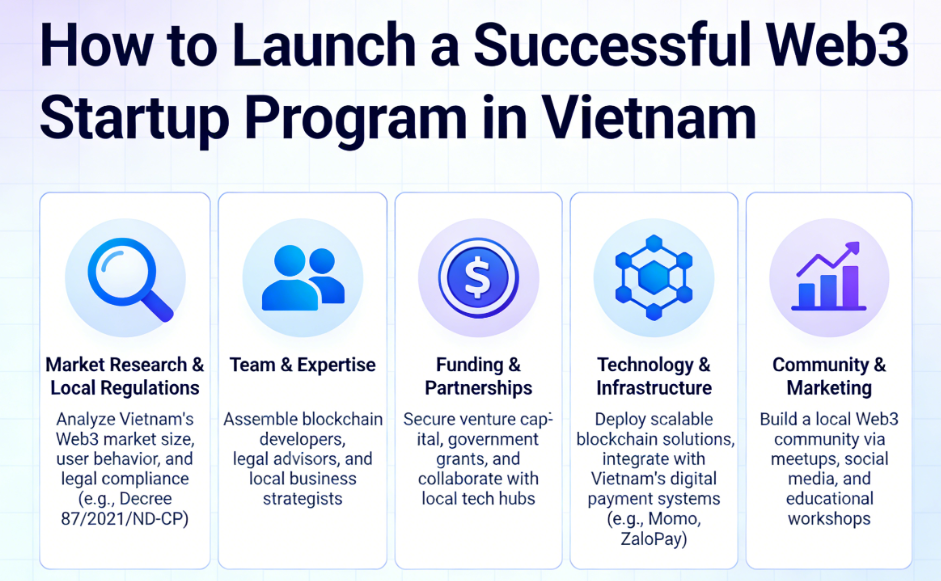
This comprehensive guide will show you how to launch a successful Web3 startup program in Vietnam. We will cover everything from understanding the market landscape and designing your program structure to attracting top talent and securing funding. Whether you're an investor looking for the next big thing or a beginner eager to enter the crypto space, this article provides the actionable steps you need to build and scale a thriving Web3 ecosystem.
Understanding the Web3 Landscape in Vietnam
Before launching any program, it's crucial to understand the environment you're entering. Vietnam's technology sector is booming, and its interest in cryptocurrency and blockchain is one of the highest in the world. This creates a fertile ground for a Web3 startup program.
Key factors contributing to Vietnam's Web3 readiness include:
- A Young, Tech-Savvy Population: With a median age of around 32, Vietnam has a large, digitally native workforce eager to embrace new technologies. This demographic is both the target user base and the talent pool for Web3 projects.
- High Crypto Adoption: Multiple reports consistently rank Vietnam among the top countries for cryptocurrency adoption. This widespread familiarity with digital assets means there is an existing and growing market for Web3 products and services.
- A Strong Developer Community: Vietnam has a reputation for producing skilled software developers. This technical talent is essential for building the complex infrastructure and applications that power Web3.
- Government Support for a Digital Economy: The Vietnamese government has shown a clear interest in fostering a digital economy, which creates a supportive, albeit evolving, regulatory environment for tech startups.
These factors combine to make Vietnam a prime location for launching a Web3 startup program. The demand is present, the talent is available, and the market is receptive.
Step-by-Step Guide to Launching Your Web3 Startup Program
A successful startup program requires careful planning and execution. It's more than just providing funding; it’s about building an ecosystem that nurtures innovation. Here’s how you can structure your program for success.
Step 1: Define Your Program's Niche and Focus
The Web3 space is vast. To be effective, your program should have a clear focus. Instead of trying to be everything to everyone, specialize in a specific sector. This will help you attract the right kind of startups and provide more targeted mentorship.
Potential areas of focus include:
- Decentralized Finance (DeFi): Building new financial systems for lending, borrowing, and trading that are more accessible and transparent.
- GameFi and the Metaverse: Creating immersive "play-to-earn" games and virtual worlds where players own their digital assets.
- Non-Fungible Tokens (NFTs): Developing platforms for creating, trading, and utilizing unique digital assets in art, music, and collectibles.
- Decentralized Infrastructure: Building the core protocols, scaling solutions, and developer tools that the entire Web3 ecosystem relies on.
Case Study: Sky Mavis and Axie Infinity
Sky Mavis, the studio behind the global sensation Axie Infinity, is a testament to the potential of Web3 in Vietnam. While not a startup program itself, its success story provides a powerful model. By focusing on the niche of GameFi, Sky Mavis created a product that onboarded millions into the crypto space. A startup program could aim to find and nurture the "next Axie Infinity" by specializing in blockchain innovation for startups within the gaming sector.
Step 2: Structure Your Program and Define Your Offerings
Once you have your focus, you need to design the structure of your program. A typical startup program or accelerator runs for a fixed period (usually 3-6 months) and offers a combination of funding, mentorship, and resources.
Your program's core offerings should include:
- Seed Funding: Provide an initial investment in exchange for equity or future tokens. This capital is crucial for early-stage startups to build their MVP (Minimum Viable Product) and cover initial operational costs.
- Mentorship Network: This is arguably the most valuable part of any program. Assemble a network of experienced Web3 founders, developers, investors, and legal experts. These mentors can provide invaluable guidance on everything from technical architecture to go-to-market strategy.
- Educational Workshops: Host workshops covering essential topics for a Web3 startup program for crypto beginners and experienced founders alike. Subjects should include tokenomics, smart contract security, community building, and navigating the legal landscape.
- Technical Resources and Tools: Provide access to essential infrastructure, such as node services, smart contract auditing tools, and cloud computing credits. This helps startups focus on building their product rather than managing infrastructure.
- Networking Opportunities: Facilitate connections with potential investors, partners, and customers. A culminating "Demo Day," where startups pitch to a room full of venture capitalists, is a standard and effective way to do this.
To manage your program’s crypto assets and transactions efficiently, it's essential to partner with a reliable platform. Utilizing a secure exchange like https://hibt.com can help you manage your treasury and facilitate investments into your portfolio companies seamlessly.
Step 3: Create a Robust Application and Selection Process
The success of your program depends on the quality of the startups you accept. Your application and selection process should be designed to identify teams with the highest potential.
Your selection criteria should evaluate:
- The Team: Is the founding team experienced, resilient, and passionate? Do they have the right mix of technical and business skills? The team is often the most important factor in a startup's success.
- The Idea: Does the project solve a real problem in the Web3 space? Is the market large enough? Is the idea innovative and defensible against competitors?
- Technical Feasibility: Can the proposed technology actually be built? Does the team have a clear technical roadmap?
- Market Fit: Is there a clear target audience for the product? How will the startup acquire its first users?
Your process should be transparent and provide feedback to all applicants, even those who are not accepted. This builds goodwill and strengthens your reputation within the community.
Step 4: Attract and Onboard the Best Startups
With your program defined, it's time to market it to potential applicants. Reaching the best early-stage Web3 founders requires a multi-channel approach.
- Engage with Local Communities: Participate in blockchain meetups, hackathons, and university events across Vietnam. Building a grassroots presence is crucial.
- Leverage Social Media and Content Marketing: Use platforms like X (formerly Twitter), Discord, and Telegram, which are the lifeblood of the Web3 community. Share valuable content about the Vietnam cryptocurrency market opportunities and position your program as a thought leader.
- Partner with Universities and Developer Bootcamps: Collaborate with educational institutions to tap into the next generation of builders and entrepreneurs.
- Build Relationships with Venture Capitalists: VCs often have a pipeline of promising startups that may be a good fit for your program.
Your onboarding process should be smooth and welcoming. The first few weeks are critical for setting the tone and building a strong cohort culture.
Step 5: Execute the Program and Provide Unwavering Support
During the program, your role is to provide relentless support. This means being available, responsive, and proactive in helping your startups overcome challenges.
- Regular Check-ins: Schedule weekly or bi-weekly meetings with each team to track progress, discuss roadblocks, and offer advice.
- Mentor Matching: Connect each startup with the most relevant mentors from your network based on their specific needs.
- Foster a Collaborative Environment: Encourage collaboration between the startups in your cohort. The peer-to-peer support within a cohort is often as valuable as the mentorship.
- Focus on Milestones: Help teams set and achieve key milestones related to product development, user acquisition, and fundraising.
Step 6: Host a Powerful Demo Day and Facilitate Fundraising
The program should culminate in a Demo Day. This event is the startups' opportunity to showcase their progress to a curated audience of investors.
To make your Demo Day a success:
- Coach the Pitch: Work extensively with each team to refine their pitch and presentation.
- Invite the Right Investors: Curate a guest list of active Web3 investors, including angel investors, venture capital firms, and corporate venture arms.
- Manage Logistics: Whether in-person or virtual, ensure the event runs smoothly and professionally.
- Facilitate Follow-up: After Demo Day, help your startups manage the follow-up process with interested investors.
Finding reliable financial partners is crucial for your startups' long-term growth. Guiding them to trusted platforms is part of your role. For secure trading and asset management, a platform like https://hibt.com offers robust services that can support a startup's journey from seed stage to maturity.
The Future is Decentralized: Building an Ecosystem
Launching a Web3 startup program is about more than just funding a few companies. It's about building a sustainable ecosystem that fosters innovation for years to come. Your alumni network will become one of your program's greatest assets. Continue to support your portfolio companies long after they graduate, and encourage them to give back to the next generation of founders.
The opportunity in Vietnam is immense. The country has the talent, the enthusiasm, and the market dynamics to become a global Web3 hub. By creating a program that provides capital, mentorship, and a strong community, you can play a pivotal role in this transformation.
The path to building a successful Web3 startup requires dedication and a deep understanding of this new technological paradigm. But for those willing to take on the challenge, the rewards—both financial and societal—are enormous. By empowering the next generation of builders, you are not just investing in companies; you are investing in the future of the internet. Begin your journey and explore the possibilities with a trusted partner like HIBT.
About the Author
Dr. Alex Tran is a renowned computer scientist specializing in distributed ledger technology and protocol design. He is the author of over 30 academic papers on topics ranging from consensus algorithms to decentralized identity. Dr. Tran has led the technical audits for several of the world's most prominent blockchain projects, securing digital ecosystems valued in the billions. He is a firm believer in the power of Web3 to create more equitable and transparent systems for all.